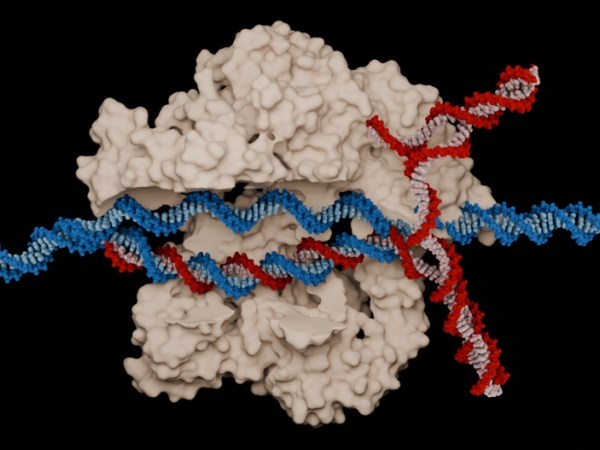
How does CRISPR gene editing work?
CRISPR is a genome engineering technology that allows researchers to make precise changes to genetic material across a wide range of organisms. CRISPR stands for Clustered Regularly Interspaced Short Palindromic Repeats and was first discovered as part of a natural defence mechanism used by bacteria to recognise and destroy viral DNA.1 The CRISPR system consists…

How Do Carcinogens Cause Cancer?
It is a well known fact that certain food items or chemicals can increase our chances of getting cancer – but why is this? A carcinogen is a substance, organism or agent capable of causing cancer – common examples include radiation, smoking, and alcohol1. Cancer is a disease in which some of the body’s cells grow uncontrollably and spread to other parts of the body2. Some carcinogens cause direct damage to DNA, which…

How can Identical Twins be so Different?
Identical twins will have exactly the same genome (the entire set of DNA instructions in a single cell1) as each other. So why is it that they can be so different, even in traits that have a significant genetic component? Although nature vs nurture can have something to do with this, a deeper answer lies within the recent discoveries of epigenetics. Epigenetics refers to the processes…

Why is DNA a Double Helix?
I am sure we’re all aware of the famous double helix structure, but how many of us have pondered over actually why DNA’s atoms are arranged like this? To do this, we need to pick apart the contributions to the overall free energy change (a measure of the amount of usable energy in a system1) as you go from the unfolded state (single, separate strands) to the…

